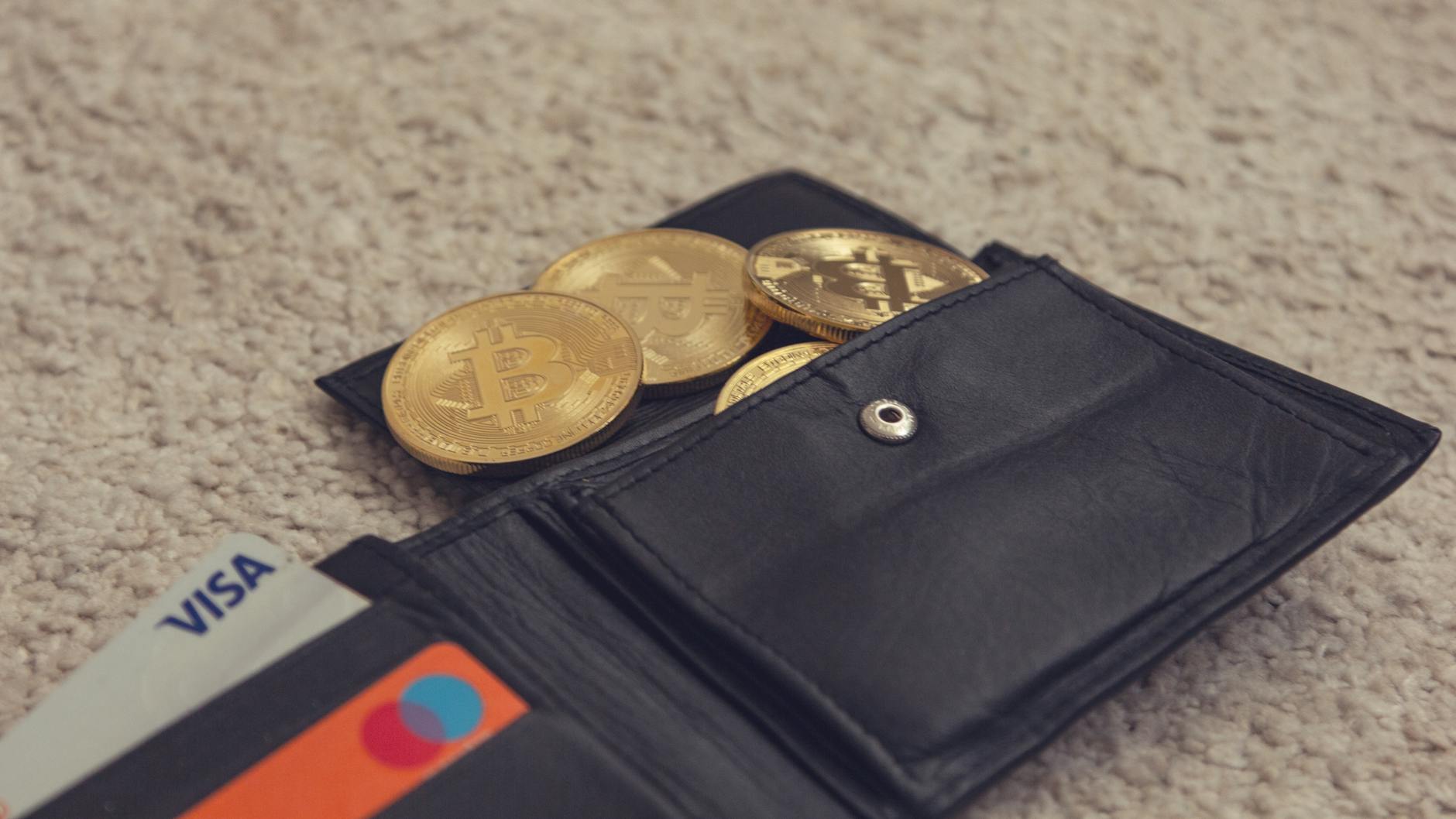
Navigating the Digital Wallets: Practical Tips for Choosing the Right Crypto Payment Method (and Avoiding Common Pitfalls)
Choosing the right crypto payment method can feel like navigating a maze, but with a few practical tips, you can make informed decisions and avoid common pitfalls. First, consider your primary use case. Are you making frequent small purchases, or occasional large investments? This will influence whether a hot wallet (like a mobile app or browser extension) offering convenience and quick transactions, or a cold wallet (hardware device) prioritizing security for larger holdings, is more suitable. Research the fees associated with different cryptocurrencies and payment platforms; some networks have significantly lower transaction costs than others. Also, evaluate the ease of use and user interface. A complex wallet can lead to costly errors, so opt for platforms with clear instructions and intuitive designs, especially if you're new to the crypto space.
Beyond functionality, security and reputation are paramount. Always prioritize payment methods from established and reputable providers with a proven track record. Look for features like two-factor authentication (2FA), multi-signature capabilities, and robust encryption. Avoid platforms that promise unrealistic returns or offer deals that seem too good to be true, as these are often scams. Furthermore, understand the regulatory landscape of your region, as this can impact the availability and legality of certain crypto payment methods. Finally, always start with small transactions when testing a new wallet or payment gateway to familiarize yourself with the process and ensure everything functions as expected before committing larger sums. This cautious approach can save you from significant headaches and potential financial losses.
This is a sentence about something interesting, and you can find more information right here if you're curious. It's a great resource for anyone looking to learn more.
Beyond the Blockchain Basics: Understanding Transaction Speeds, Fee Structures, and Anonymity Levels Across Popular Cryptocurrencies
Delving deeper than the initial hype, understanding the practical implications of various cryptocurrencies requires a close examination of their core operational metrics. Transaction speed, often measured in transactions per second (TPS), directly impacts a network's scalability and user experience. Bitcoin, for instance, typically processes 7 TPS, while newer blockchains like Solana boast thousands. This stark difference influences everything from everyday purchases to large-scale enterprise solutions. Furthermore, fee structures vary wildly; some chains charge a fixed amount, others use a dynamic 'gas' model based on network congestion, and a select few offer near-zero transaction costs. These elements are crucial for businesses and individuals choosing a blockchain for their specific needs, as they directly affect operational efficiency and overall expenditure.
Beyond speed and cost, the nuanced concept of anonymity (or more accurately, pseudonymity) is a critical differentiator among popular cryptocurrencies. While Bitcoin transactions are publicly recorded on an immutable ledger, linking addresses to real-world identities can be challenging, but not impossible. Other cryptocurrencies, like Monero, employ advanced cryptographic techniques such as ring signatures and stealth addresses to provide a significantly higher degree of transactional privacy.
Understanding these varying levels of anonymity is paramount for users concerned with data protection and regulatory compliance. It's not simply about 'being anonymous,' but rather about the inherent traceability and the sophistication of privacy-enhancing features embedded within each blockchain's design, impacting everything from individual financial privacy to the feasibility of certain business applications.